

Our own meal-planning app
Our own product · a meal-planning app we launched and later wound down
We built and launched this meal-planning app ourselves and tested it with real users. When a written review rejected every route to revenue, we wound it down.
Overview
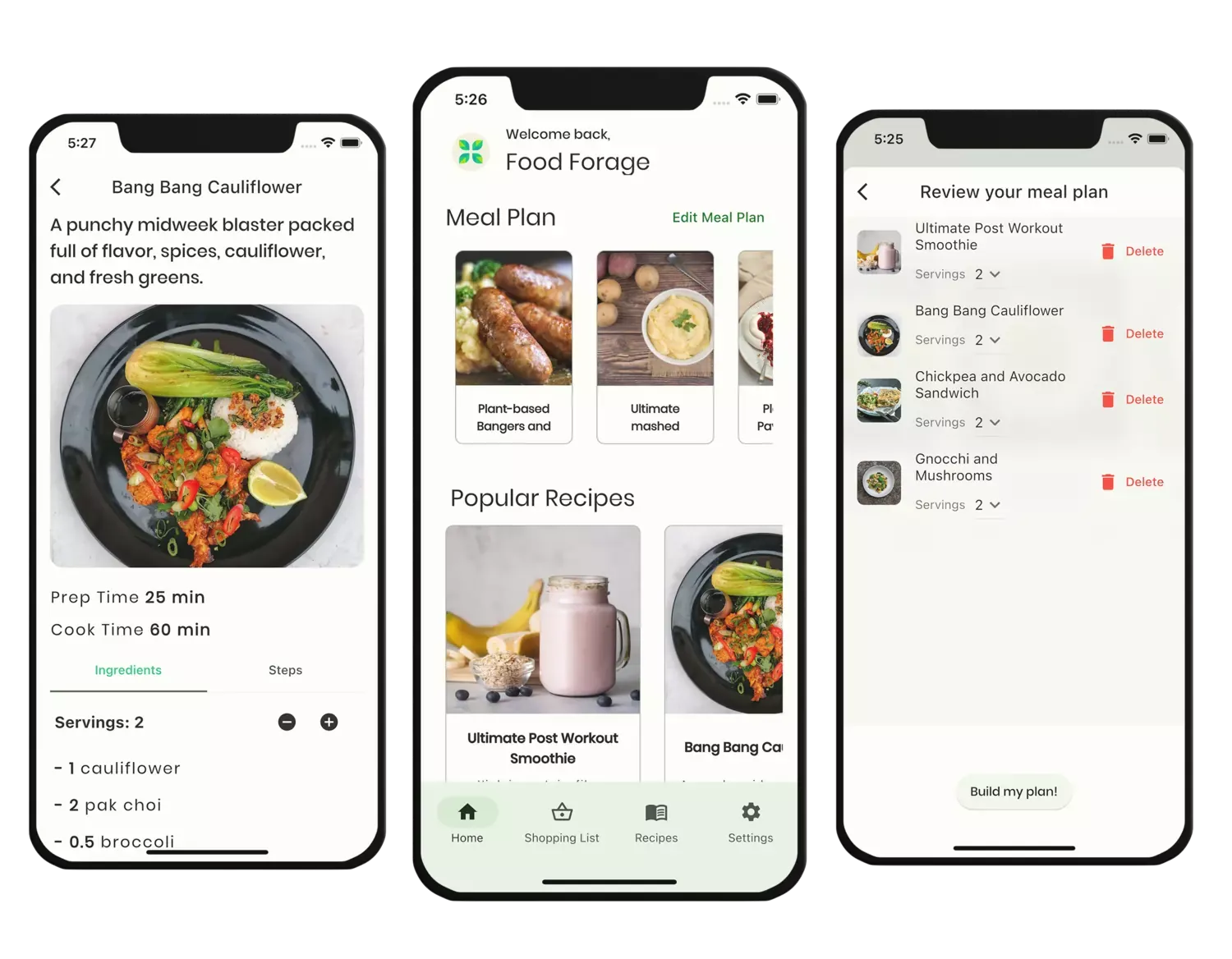
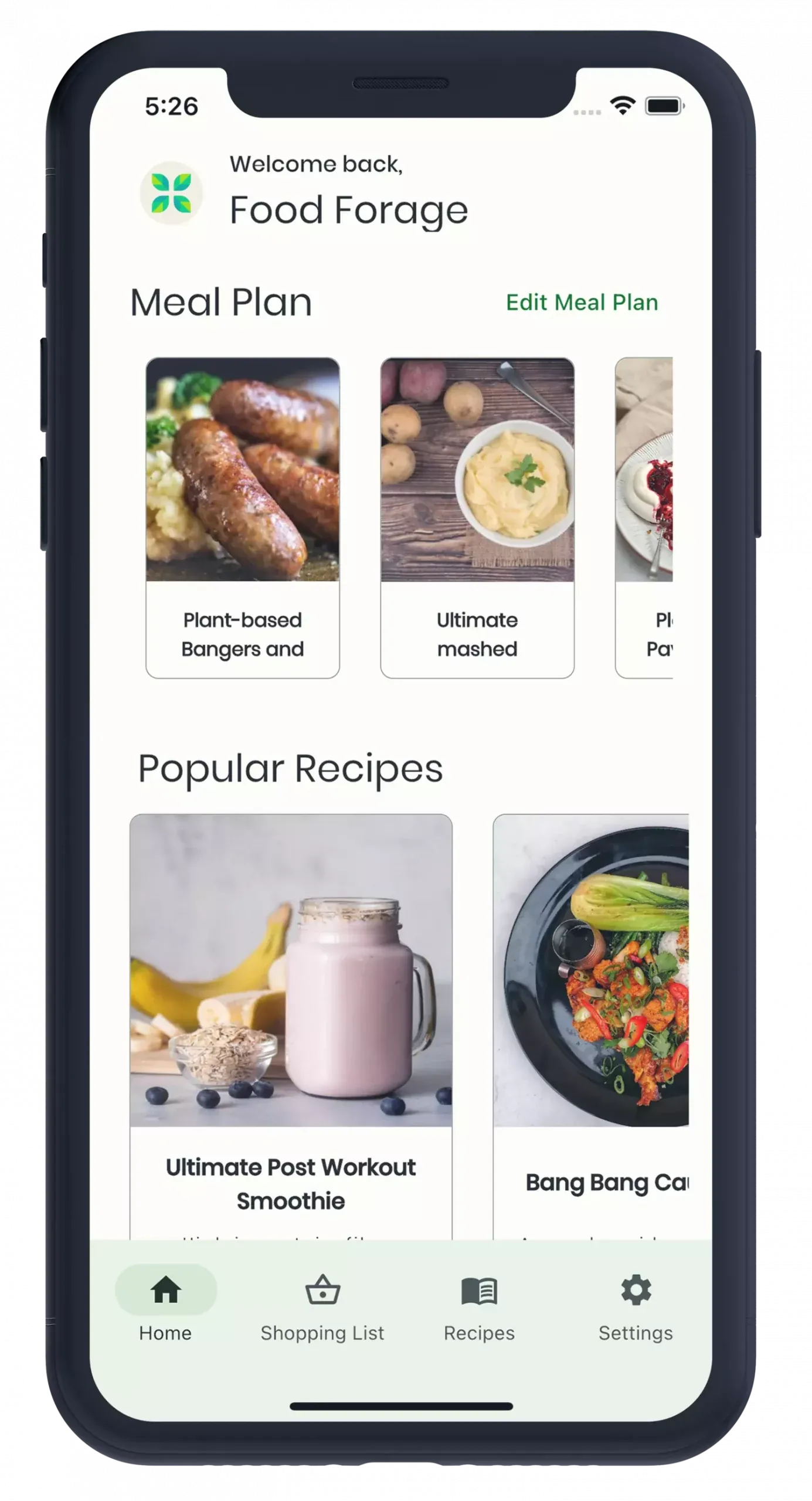
Food Forage was OpenKit’s own consumer app for eating more sustainably. Sustainability apps tend to lecture. The people most likely to change what they buy are the least interested in hearing about it mid-week. We bet that what people want answered on a Tuesday is what is for dinner, so the app opened on the meal plan and kept the sustainability work underneath.
We ran it as a venture with its own budget, targets and research programme. We did the marketing, partnership approaches, pitch decks and funding applications ourselves. About eighteen months in, we reviewed it against the users we had and stopped spending on it.
£816
A month cut from the burn when we stopped
4
Revenue models tested against the users we had, all rejected
3
Platforms launched together: iOS, Android and web
6 months
From product design to launch
Approach
What we built
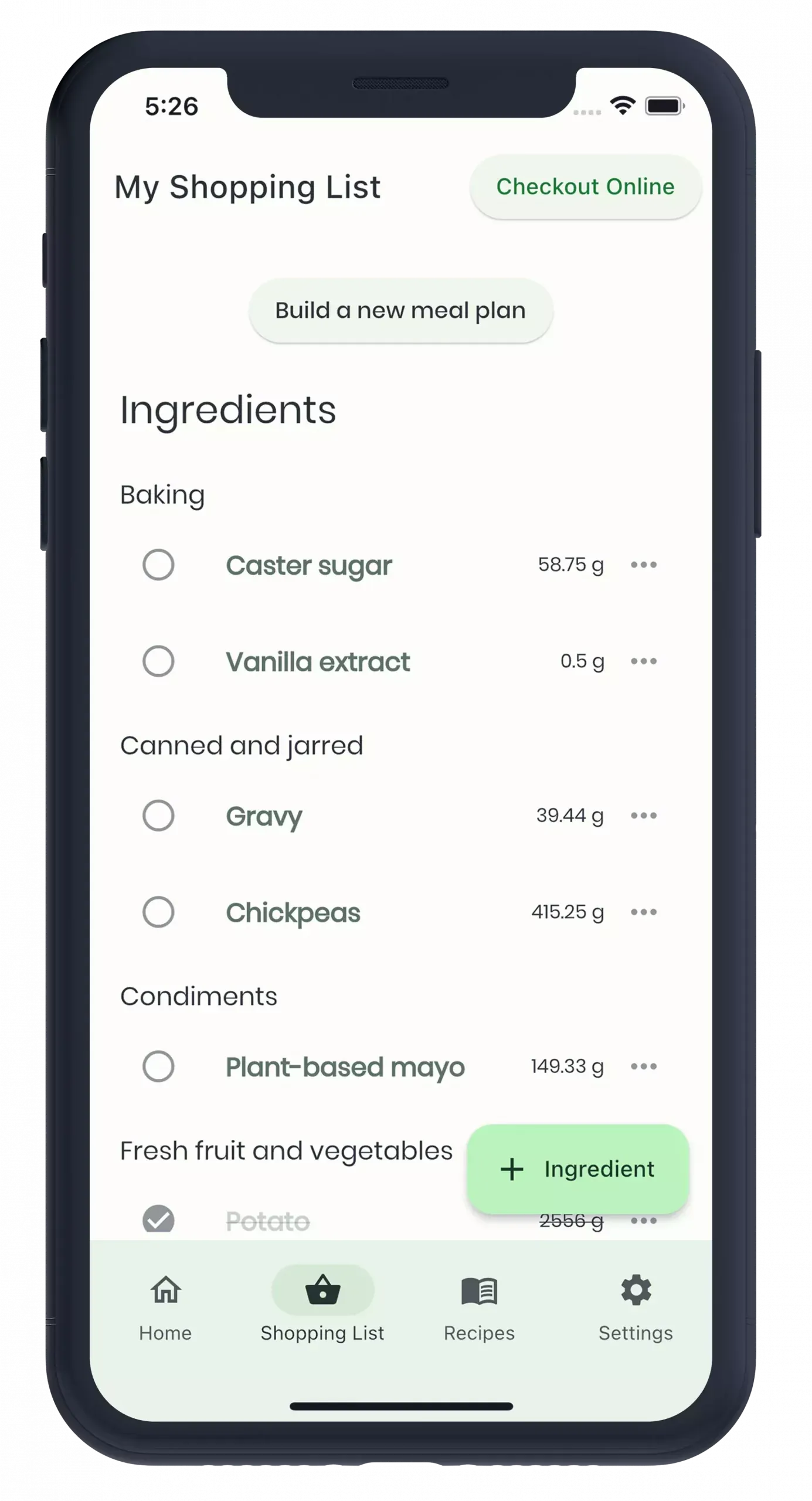
The sustainability work showed in which recipes came up first and which ingredients ended up on the shopping list. The seasonal, lower-waste option led without wearing a badge. The shopping list was the part people opened.
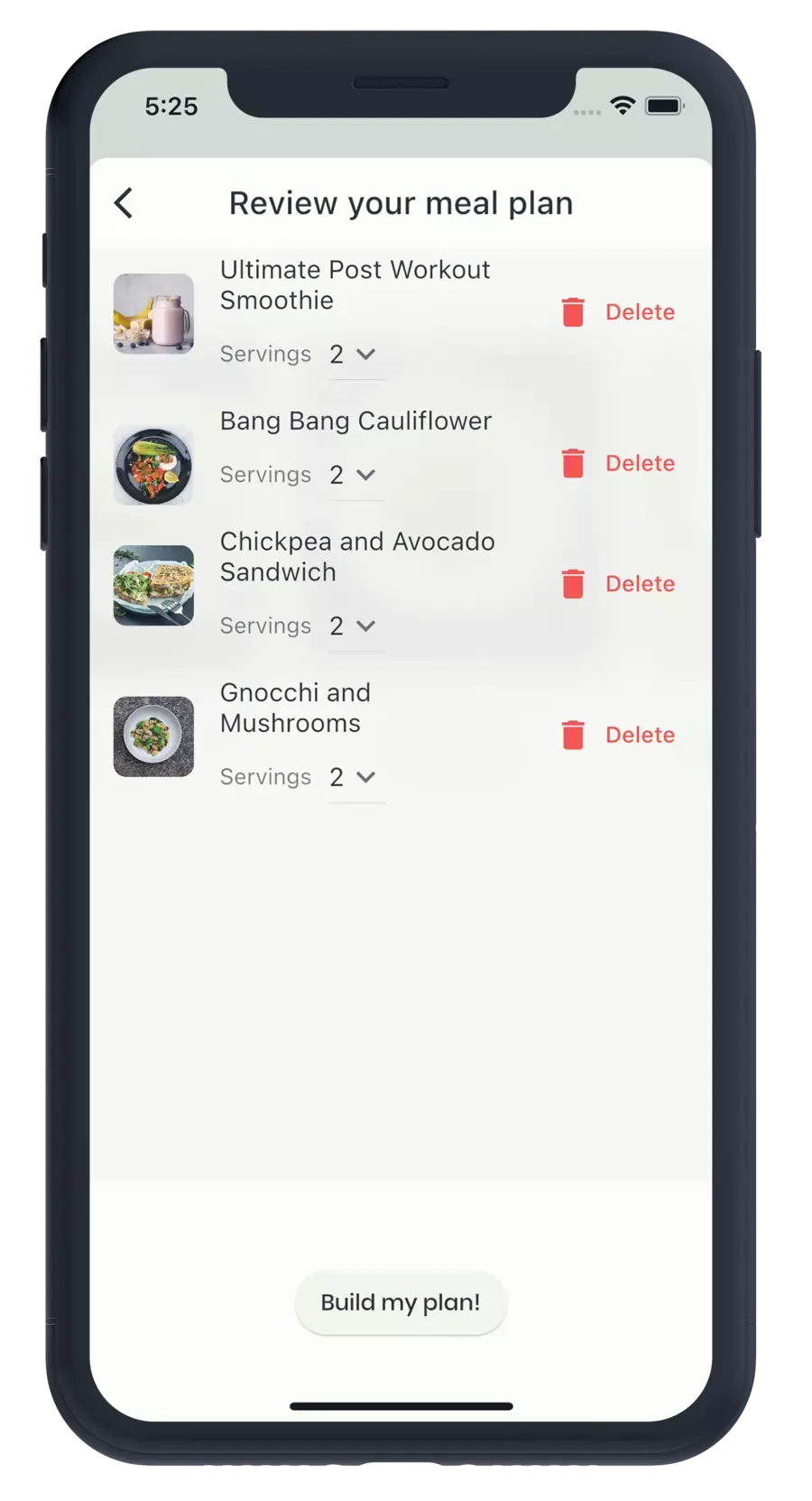
- A weekly meal plan, with recipes to swap, skip or repeat
- A recipe library with sustainability tags
- Product details covering ingredients, allergens and pricing
- A shopping list generated from the week’s plan, deduplicated and grouped by aisle, to take to the shop or send to an online basket
- A stockist map, a pantry and seasonal sections, all there to keep that list accurate
- Data held in the UK under UK GDPR
Research
What the user research found
We surveyed the communities the app was aimed at and interviewed users one to one on the live app.
- On a first run, people could not tell what the app was for or what to do.
- Stockist pins did not refresh when the map moved, so a new area showed stale results with no warning.
- Product details were thin and dietary tags were too ambiguous to help the people the app was for.
- You could not split the shopping list by store, add your own items or send it to the person you live with. People shop in more than one place and rarely alone, so a list like that gets replaced by the notes app.
Revenue
The revenue models we tested
The written review tested each way the money could arrive against the users we had and rejected all four.
- A subscription recipe app. Our own market research said a subscription needed features the product did not have.
- An influencer platform. There were too few users for a two-sided model to work.
- In-app advertising. With so few users there was no audience to sell against.
- A showpiece for OpenKit. We set it aside, since a portfolio piece earns little or no revenue.
Pivots to food waste, delivery, meal planning on its own and local, zero-waste shopping failed the same test. On the nearest of them, a feature comparison showed we were not close to competitors.
Result
The decision to stop
Stopping took £816 a month out of the burn and put our time back into consulting work.
Other engagements
What could your business do with AI?
Find out with experts who become part of your team. We uncover opportunities, get ideas working, and help your people build on the results. We reply within one working day.
Get in touch AI Audit