

AI for financial services
Your firm already runs AI, much of it inside vendor tools. We audit what is in use and give each workflow a named owner.
AI is already inside financial services
Much of it arrived through procurement rather than an AI programme: the CRM that scores leads, or the onboarding platform that reads client documents. The obligations do not change because a vendor shipped the model, and the accountability still sits with your named senior managers.
How we engage with regulated firms
Most engagements start with the AI Audit, with scope and fee agreed before the work starts. Some firms then continue with an AI Implementation engagement to deliver the roadmap, while others commission a bespoke build.
- AI Audit We measure where the month goes and hand back:
- Executive summary
- Interview and findings report
- Implementation roadmap and training plan
- Costing and benefit assessment
- AI Implementation We implement the priorities you agree inside a defined delivery allocation, building the plan into the day’s work and training the people who run it. from £5,000 a month
- AI Charter It writes down what AI is used for here and who owns each workflow it touches. optional, +£3,000
Implementing the plan is a separate decision. What goes live is measured against the hours the audit counted.
Already in production for a UK fintech
For a confidential UK fintech, OpenKit built a controls-assurance platform that is now in production: a per-control AI agent that reads the evidence, reruns the numbers in an isolated sandbox, and cites every claim back to its source. The team tests every control where it used to test a sample. OpenKit is ISO 27001 and ISO 9001 certified, holds Cyber Essentials and operates to UK GDPR.
Where firms like yours start
It connects your CRM, your ledger and the rest of the stack. Scoped at the audit.
It builds the analysis and the board pack straight off those systems, with every figure traceable.
It matches your ledger against the bank feeds and sub-systems, flags the breaks and drafts the journal.
It lives inside the tools your team already uses, so nobody has to learn a new system.
Your team gets hours back on the routine checks, and the system records who approved what. Information gets faster to find.
The audit works out yours.
Related work
One is a controls-testing platform running in production, and the other two are discovery engagements that validated the data and settled where it could live before anything was built.

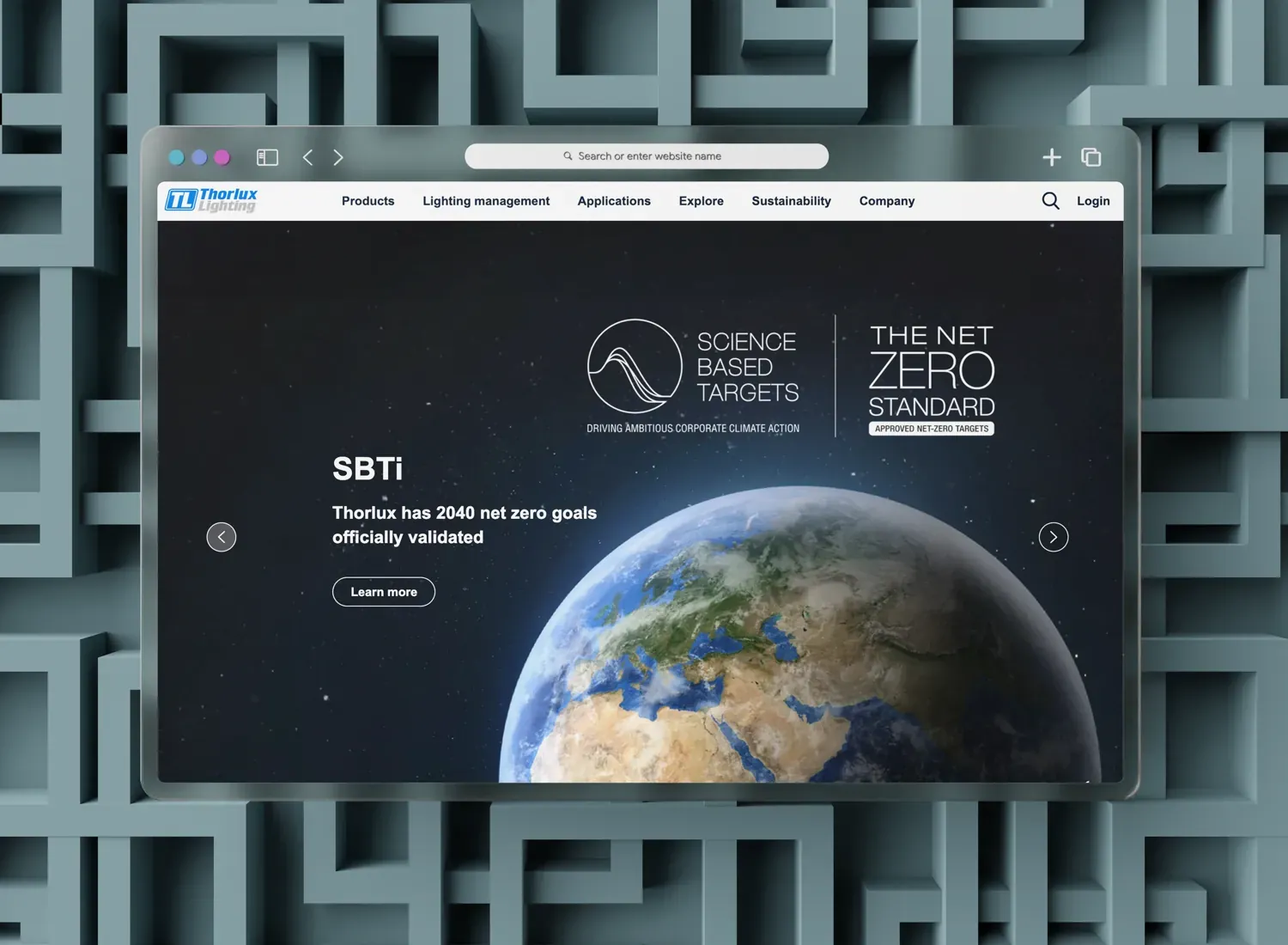 FW Thorpe (Thorlux) Proving the data before specifying the report Occupancy records validated against the live dashboard, with board-ready reporting specified off the same data. ~6.5M Occupancy records validated
  International Oil and Gas Service Provider Specifying the pilot around data that could not leave The gap-analysis workflow audited, then a two-stage pilot specified with a go or no-go gate, built to run where the data already lives. On-prem Recommended end to end
 Secure and private, as standard
Your data stays yours and never trains anyone else’s model, and we settle residency and lawful basis before we pick one. Private AI



ISO 27001, ISO 9001 and Cyber Essentials are certifications we hold, and we operate to UK GDPR. Solutions are designed to help meet the EU AI Act where it applies. We build to operate under the FCA’s expectations for accountability and record-keeping, and we are not authorised or regulated by the FCA.
The questions that decide it
What does an AI consultancy for UK financial services actually do?
We audit where AI fits inside your permissions and where it does not, including the AI your vendor tools carry. You get a findings report, a prioritised roadmap and a costed business case. What follows is recorded so an accountable senior manager can show how a decision was reached.
What does an AI assurance review of the AI we already use cover?
It is the AI Audit pointed at what already runs. We map which tools carry AI and what each one decides, then assess whether the controls and the ownership around them would stand up to your compliance team.
How widely is AI already used across UK financial services?
The Bank of England and FCA survey of AI in financial services, updated December 2025, found 75% of firms already using AI and 46% reporting only a partial understanding of what they use. That is why the audit starts from what already runs.
Will AI replace advisors, paraplanners or compliance reviewers?
No. Under SMCR senior managers keep personal accountability however a decision was reached, and the DUAA 2025 requires meaningful human intervention by a reviewer who can override the AI. We build copilots that let advisors handle more cases, with a citation-anchored audit trail.
How does this work with the FCA Handbook, Consumer Duty and SMCR?
The roadmap names who owns each AI-assisted workflow, which is the question SMCR asks, and the audit considers Consumer Duty wherever AI touches a customer outcome. Regulatory work beyond that is scoped at the audit. The FCA confirmed in 2026 that it will not introduce AI-specific rules.
What about PRA SS1/23 if we are a bank or PRA-designated firm?
SS1/23 is technology-agnostic but explicitly captures AI and ML models, and the PRA made AI adoption a 2026 supervisory priority. For PRA-regulated firms we scope the audit against SS1/23 and write the findings to fit your existing model-risk framework.
Can we keep client data on-prem or in a UK / EU controlled environment?
Yes. Claude on UK or EU regions, OpenAI on Azure UK or EU, open-weights models on private GPU, or full on-prem where residency rules out cloud. Every deployment carries an ISO 27001-aligned audit log and a UK GDPR processing register.
Does this integrate with our CRM, platform and Microsoft 365 estate?
Our verified integrations are Microsoft 365 (SharePoint, Entra ID), Power Automate, Salesforce, REST and SOAP connections, on-prem PostgreSQL and Langfuse for prompt versioning. We do not name core-banking platforms we have not delivered against. The audit scopes the integration.
Who is liable if an AI-assisted decision goes wrong under Consumer Duty?
Liability sits where SMCR has always put it, with the named senior manager. The DUAA 2025 makes meaningful human intervention a statutory safeguard, and rubber-stamping the output does not meet it. The reviewer gets the citations, the retrieved context, a confidence signal and a path to override.
How is a financial services AI engagement structured?
Most engagements open with the AI Audit, mapping where AI fits inside your permissions. Scope, fee and schedule are agreed in your proposal. A build that follows ships inside your existing stack with the team trained on it, scoped against what the audit surfaces.
What does a financial services AI engagement cost?
The audit is £10,000 excluding VAT at standard scope, agreed before the work starts. An AI Charter can be added for a further £3,000 excluding VAT, scope agreed separately. An AI Implementation engagement starts from £5,000 a month excluding VAT. The floors are on our pricing page.
How is OpenKit different from the Big Four or an enterprise AI consultancy?
The Big Four split strategy and implementation across separate teams and budgets, and the enterprise firms work on day rates. Assessment and delivery sit with one firm here, under a lead we agree with you. The audit ranks and costs the work before anything is built.
What could your business do with AI?
Find out with experts who become part of your team. We uncover opportunities, get ideas working, and help your people build on the results. We reply within one working day.