

AI for healthcare providers
Clinician-supervised AI for assessments and clinic letters, scoped to your EPR at the audit.
What AI can do around an appointment
AI can take on the drafting and sorting that surround an appointment: turning a consultation record into a clinic letter, reading inbound referrals and routing them, marking an assessment against your own scheme criterion by criterion, and preparing the booking admin behind each one.
How we engage with health services
Most engagements start with the AI Audit, with scope and fee agreed before the work starts. Some services then continue with an AI Implementation engagement to deliver the roadmap, while others commission a bespoke build.
- AI Audit We measure where the day goes and hand back:
- Executive summary
- Interview and findings report
- Implementation roadmap and training plan
- Costing and benefit assessment
- AI Implementation We implement the priorities you agree inside a defined delivery allocation, building the plan into the clinic’s day and training the people who run it. from £5,000 a month
- AI Charter It writes down what AI is used for in the service and who owns each workflow it touches. optional, +£3,000
Implementing the plan is a separate decision. What goes live inside your service is measured against the admin hours the audit counted.
Where organisations like yours start
It drafts each assessment against your own scheme and shows the working criterion by criterion.
It turns the consultation record into a clinic letter in the clinician’s own structure, ready to sign.
It reads inbound referrals, routes them and drafts the booking admin that sits behind each one.
It runs inside the EPR your service already uses. Scoped at the audit.
The letters and the assessments arrive already drafted, and each one has a name on it before it is filed or sent. Finding something in a record takes less time.
The audit works out yours.
Related work
One is a clinician-supervised product live in production, and the other is a discovery sprint that measured the marking before anything was built.
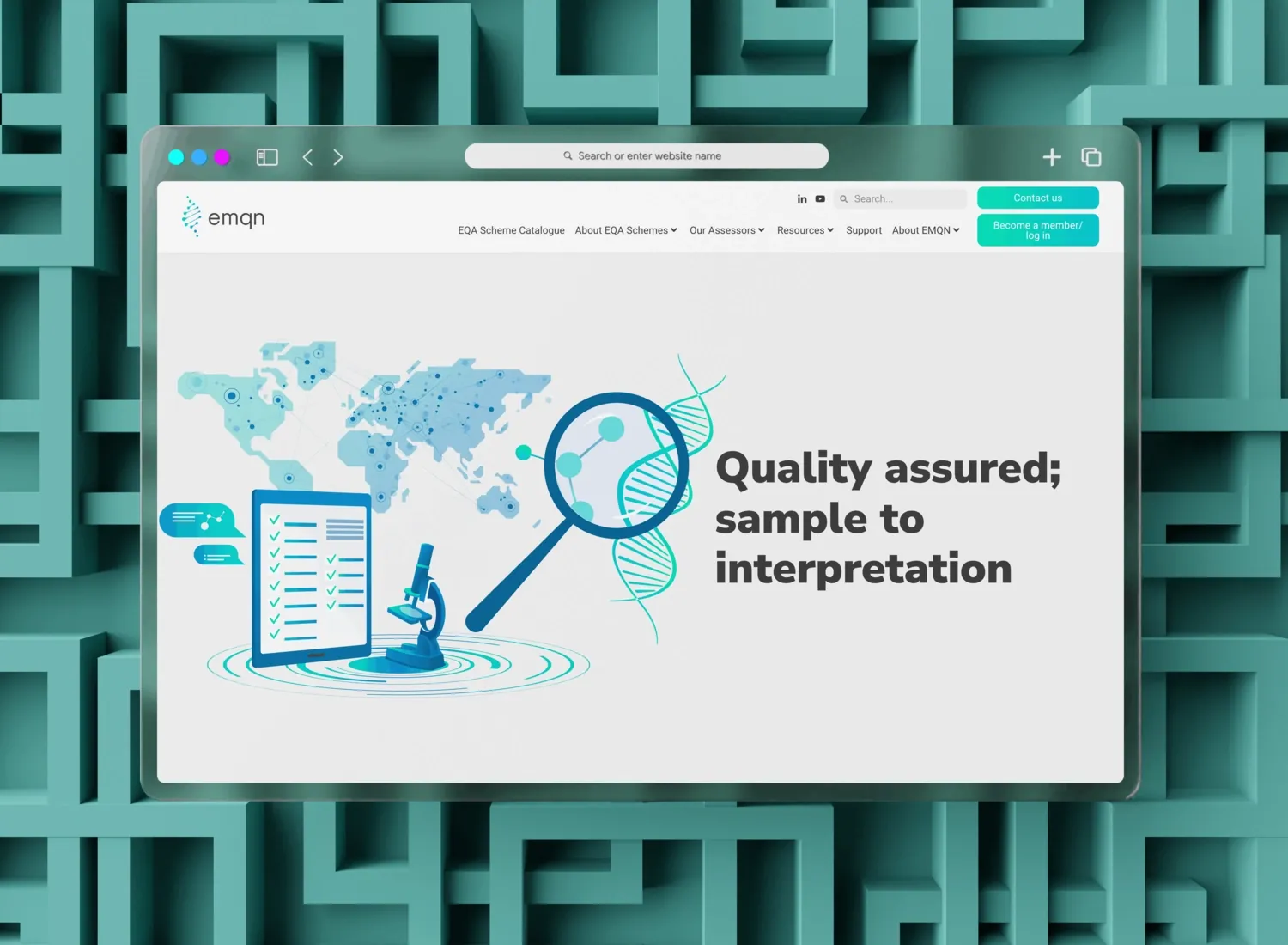 EMQN Marking genetic-test reports without taking the assessor out Six frontier models benchmarked over six languages on real reports, with the accuracy reported per criterion and the failure mode named rather than averaged away. 93-96% Per-criterion accuracy
 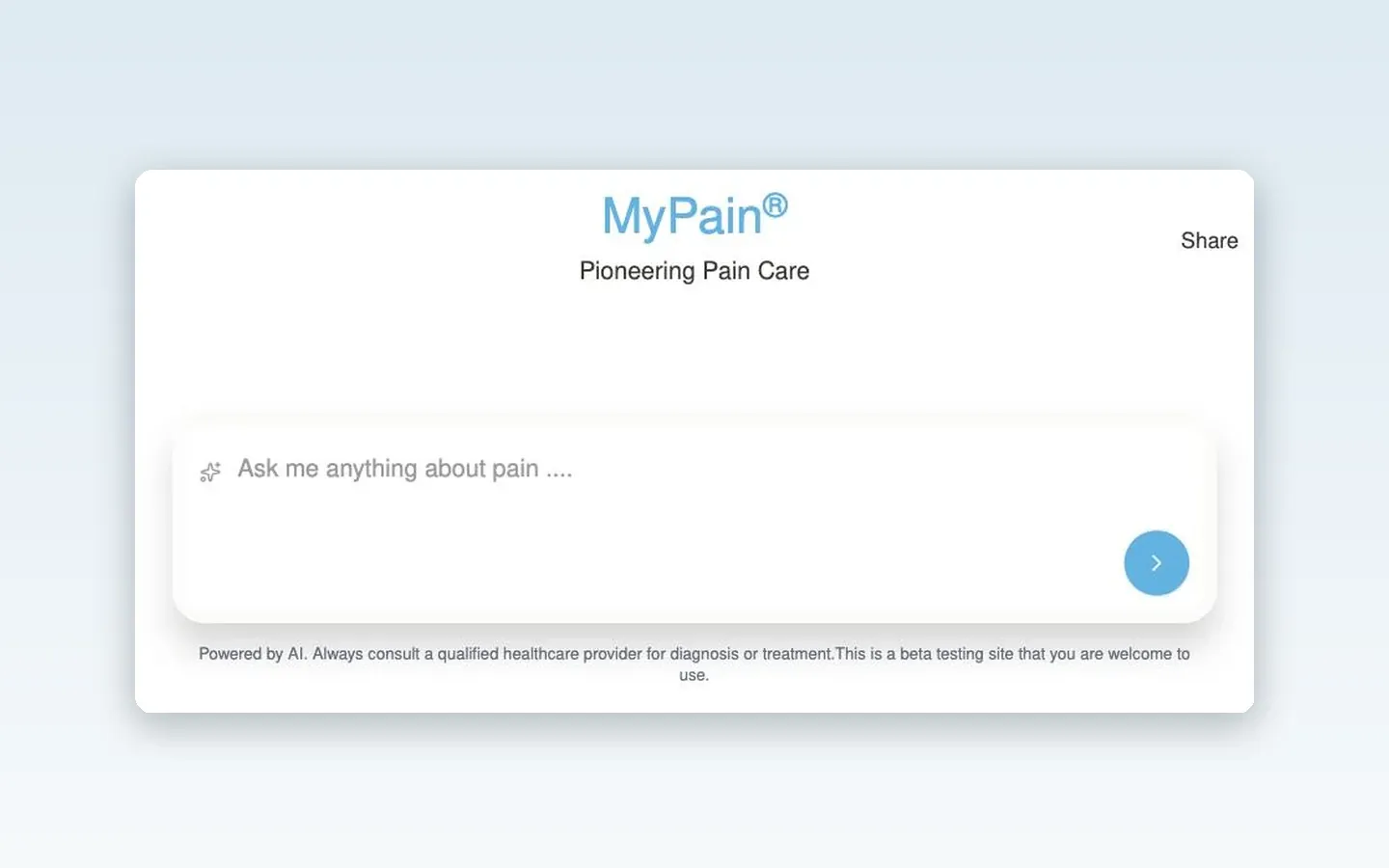 MyPain Running a pain assessment inside a boundary the clinicians drew Four agents behind one conversation on web and WhatsApp, with the diagnosis space bounded by a table the clinical team curates and every exchange traced. AI pain assessment Clinician-supervised, live at mypain.ai
 “Working with OpenKit has been a genuinely positive experience. Their team quickly understood the unique challenges of our business and the problem we were trying to solve, and delivered a thorough, evidence-based strategy for our AI-assisted marking platform. We were particularly impressed by their transparent approach, technical expertise, and commitment to long-term partnership and support.”
Secure and private, as standard
Patient data stays in your environment, and your information governance team agrees residency and lawful basis before a model is chosen. Private AI

ISO 27001, ISO 9001 and Cyber Essentials are certifications we hold, and we operate to UK GDPR. OpenKit is not a care provider and is not regulated by the CQC; the evidence trail each draft leaves belongs to your service.
The questions that decide it
What does an AI consultancy for UK healthcare actually do?
We run an AI Audit of where AI fits across your clinical and operational workflows. It hands back a findings report, a prioritised roadmap and a costed business case. Every workflow we design is clinician-supervised: the model recommends or drafts, and the clinician decides or signs off.
Will the AI replace clinical judgement?
No. Everything we build is clinician-supervised by default. Clinical decision support stays assistive: it recommends with a confidence score and routes uncertain cases to a clinician. Documentation and patient communications draft to a clinician’s queue and need sign-off before sending. We do not build autonomous decision-makers.
How does this work with the DSP Toolkit and Caldicott?
The audit maps your workflows against the NHS DSP Toolkit and Caldicott principles where they apply. Every workflow has a documented lawful basis under UK GDPR, a data-flow map and an audit log. We are not a certifying body: we surface gaps your governance lead can take to renewal.
Is your work regulated by MHRA as a medical device?
Most workflows we configure are not software as a medical device. Some cross the line: diagnostic decision support, triage that changes a clinical pathway, autonomous patient communications. We flag those at the audit and either redesign below the threshold or scope a build under the MHRA AIaMD framework.
Can we keep patient data on-prem?
Yes. We deploy inside your controlled environment by default: your VPC, your tenant on Azure UK or EU, or on-prem GPU for sovereign workloads. Patient data does not leave the room, and the model and the audit log sit on the same side of the boundary as the data.
Does this integrate with SystmOne, EMIS, or Vision?
Yes: those three plus Cerner Millennium (UK), Accurx, iPlato, your document system, PACS for imaging and Microsoft 365. The audit maps the integration points and flags where API access is the blocker before a build commits.
What about clinical liability if AI makes a mistake?
The responsible clinician signs the work. We document the workflow, the audit trail and the model’s role so the clinician of record is unambiguous. Where clinical liability arrangements are touched, we recommend your medical defence union is consulted before go-live. We do not carry clinical indemnity.
How is a healthcare AI engagement structured?
Most engagements open with the AI Audit, mapping where AI fits and where it should not go. Scope, fee and schedule are agreed in your proposal. A build that follows configures what the audit picked and trains your team, including any device-class system, scoped against what the audit surfaces.
What does it cost for an SME healthcare organisation?
The audit is £10,000 excluding VAT at standard scope, agreed before the work starts. An AI Charter can be added for a further £3,000 excluding VAT, scope agreed separately. An AI Implementation engagement is from £5,000 a month excluding VAT. We give you indicative figures on a call.
Have you delivered similar work in healthcare?
Yes. MyPain is clinician-supervised AI for chronic-pain assessment on web and WhatsApp, live at mypain.ai with full traceability. EMQN was a discovery sprint in clinical genomics quality assurance that reached 93-96% per-criterion accuracy across six languages. We can share named references on request.
What could your business do with AI?
Find out with experts who become part of your team. We uncover opportunities, get ideas working, and help your people build on the results. We reply within one working day.