

AI strategy and consulting
A clear AI roadmap built around your business priorities. We find the use cases that pay back, put a cost and a return against each one, and stay with your team through adoption.
ISO 27001 and ISO 9001 certified · working with UK businesses since 2020
Where AI fits
Not every process needs AI. We help UK businesses find the ones that do.
Most of the value sits in ordinary work, the hours spent on tasks a system could draft, check or route. A strategy that starts from the technology tends to stall, so ours starts from your processes and works back to what is worth building.
-
Time-intensive manual work
Data entry, document processing, report writing and the copy-paste between systems. If a task follows rules someone could write down, it is usually the first place AI pays back.
-
Error-prone handoffs
Work that moves between people, inboxes and spreadsheets picks up mistakes on the way. We map where accuracy breaks down and whether a system should be catching it.
-
Bottlenecks one person owns
The report only one person can run, the approvals that wait on a single inbox. AI does not replace judgement, but it can clear the queue that builds up behind it.
What the audit hands you
-
Executive summary
The principal findings and the priorities we recommend, written for the people who decide.
-
Interview and findings report
A structured account of the work we examined, what your people told us and the opportunities and issues we found.
-
Implementation roadmap and training plan
A prioritised plan, typically supplied as an Excel Gantt chart, showing the proposed order of work and the training your people need alongside it.
-
Costing and benefit assessment
Estimated costs, potential productivity improvements and the ROI assumptions behind them, to support your implementation decisions.
The audit delivers the assessment and the plan. Deploying platforms, building automations and training staff are not part of the standard audit fee. We agree any implementation work separately.
AI Charter
What AI may use in your business, who signs off on its outputs and what it may never do, written down before anything is bought or built. Written alongside the audit.
AI strategy consulting, grounded in an audit
Strategy work here comes out of the audit rather than a sector template. We measure your processes, name the workflows worth changing and cost each one with its assumptions written down. Your AI strategy is the prioritised roadmap and the costed business case that come out of it. An AI Implementation engagement carries the roadmap with your team.
How an engagement runs
An engagement moves in three stages. The audit covers the first two. The schedule is agreed in your proposal, alongside the scope.
Understand the business
We sit with the people who do the work and map where the hours go, then go through the systems and the data behind each workflow. The shortlist takes shape as we go.
A prioritised, costed plan
We rank the candidates by payback, settle build against buy for each one, then put an estimated cost against every line. We walk you through the report before anything is decided.
Implementation, agreed separately
The plan tells you what is worth doing. What you do next is your decision: hand it to an internal team, or ask us to carry it with you.
How we engage
AI Implementation.
Reserved delivery capacity to implement the agreed priorities with your team.
from £5,000 a month
See how implementation works- On-site work and remote implementation
- Meetings, support and documentation
- One agreed delivery allocation
AI consulting in your sector
Sector rules change what a safe rollout looks like. The industry pages show the shape it takes in each.
- Legal Document-heavy work under SRA obligations, from bundle review to precedent search
- Healthcare Clinical settings and NHS data rules, where the DSP Toolkit shapes what a rollout can touch
- Financial services FCA-regulated workflows, where every automated step needs an audit trail
- Insurance Claims, underwriting and audit trails, where evidencing a decision matters as much as making it
- Education School data and teacher workload, from marking time to parent correspondence
- Manufacturing and mobility Operations, inspection and engineering data, where the records outnumber the people
- Recruitment and HR Candidate pipelines and people data, screened without losing the human decision
- Hospitality Kitchen and venue operations, where equipment data piles up faster than anyone can read it
Work in regulated sectors is designed to operate under the frameworks you answer to, whether that is the SRA, the FCA or the NHS DSP Toolkit. Your compliance team is welcome at the first call.
Where we work
OpenKit is based in Cambridge and works with businesses across the UK. On-site and remote arrangements are agreed for each engagement, then set out in your proposal.
We run our AI consultancy in Cambridge and do AI consulting for London organisations from there, with Durham as the second office.
ISO 27001, ISO 9001 and Cyber Essentials certified. We operate to UK GDPR.

Our success stories

 Property · Discovery Admin agent blueprint 172 hours a month of measured admin mapped for an AI admin agent.
 Manufacturing · Discovery Space-utilisation reporting engine Checking ~6.5M occupancy records against the live dashboard before specifying the reports.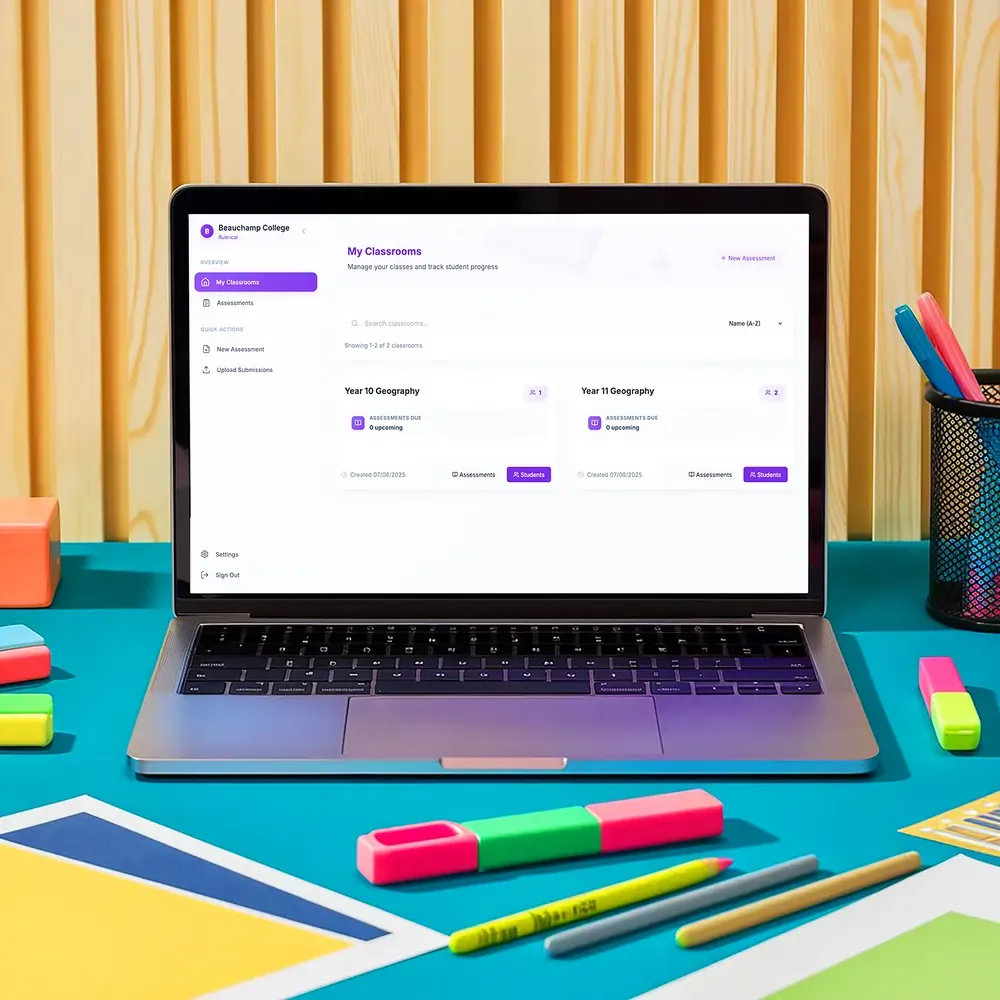
 Education · Production AI marking assistant Cutting geography marking time by 52% in teacher-reported tests.
 “OpenKit has been instrumental in helping our marketing business navigate the opportunities and risks presented by the latest advancements in Generative AI and related technologies.”
“OpenKit’s team remained focused on our objectives and was able to consistently prioritise the needs of our communities … not only effective but also a genuine pleasure.”
“Their team quickly understood the unique challenges of our business … and delivered a thorough, evidence-based strategy.”
One workflow is enough to start. Discuss your AI plans
FAQ
What does an AI consultant actually do?
An AI consultant sits with the people who run your quoting, reporting or document handling, measures where the hours go, then writes up what is worth changing with a cost against each item. At OpenKit that work is the AI Audit. Carrying it out is an AI Implementation engagement.
How do I know if my business needs AI consulting?
If your team spends hours every week on repetitive manual work, or nobody has time to work out where AI would help, that is usually the moment. Start with the workflow that costs the most hours. If your processes are already lean, the audit may tell you to wait.
How does AI consulting work for small and mid-sized UK businesses?
Differently from enterprise work. Smaller teams need use cases that pay back quickly, so we focus on AI that sits on top of the tools you already use, whether that is Microsoft 365, your CRM or your case management system. The person who runs the workflow today still runs it.
How long does an AI audit take?
The schedule is agreed in your proposal, alongside the scope. What stretches a timeline is rarely the technology. It is access to the people who do the work, so those sessions are booked early. Implementation runs to its own schedule, agreed separately.
How much does an AI consulting engagement cost?
The AI Audit is £10,000 excluding VAT at standard scope. An AI Implementation engagement starts from £5,000 a month excluding VAT for an agreed delivery allocation. What moves either figure is the amount of work in scope, settled in writing before anything starts. Both are on our pricing page.
Do you build the AI systems or only advise?
Both, as two separate purchases. The audit is the assessment and the plan. Building comes afterwards through an AI Implementation engagement, where suitable automations, connectors and integrations are delivered inside your agreed capacity. Major standalone applications need their own scope, agreed as a bespoke build.
Do you train our team?
Yes, through an AI Implementation engagement, which covers adoption as well as delivery. While we build, we train your team to solve problems with AI themselves. The AI Audit itself does not include training.
Can you work with our existing IT provider?
Yes. We agree how to work alongside your IT provider and who is responsible for the systems involved, with access, integration and support set for the engagement. We also agree who leads the work on our side, with any handover planned so the context carries forward.
Do you work with London businesses?
Yes. A good share of our work is with London organisations, with audits running on-site and remotely. OpenKit is based in Cambridge. The balance for your engagement is agreed with you, then set out in your proposal.
Guides
- What does an AI consultant do? A plain definition
The job itself in plain language: what a consultant measures, what they hand over and where the line sits between advice and delivery.
- How to choose an AI consultancy (and when to build in-house)
The comparison questions that separate firms which ship from firms which present, plus the honest cases where hiring beats outsourcing.
- Best AI consultancies in the UK for mid-market firms
Ten UK firms, ours among them, compared on what each one publishes about price and certification.
- AI Development Cost in the UK: 2026 Guide
Sourced UK market rates for AI work, so the quotes you gather have something independent to stand against.
- Generative AI consulting for UK businesses
Service page.
Not ready to talk? The free AI readiness check scores where you stand in about five minutes.
What could your business do with AI?
Find out with experts who become part of your team. We uncover opportunities, get ideas working, and help your people build on the results.
We reply within one working day.