

A no-code creator for training games
ADD Strategy · a no-code creator for serious learning games
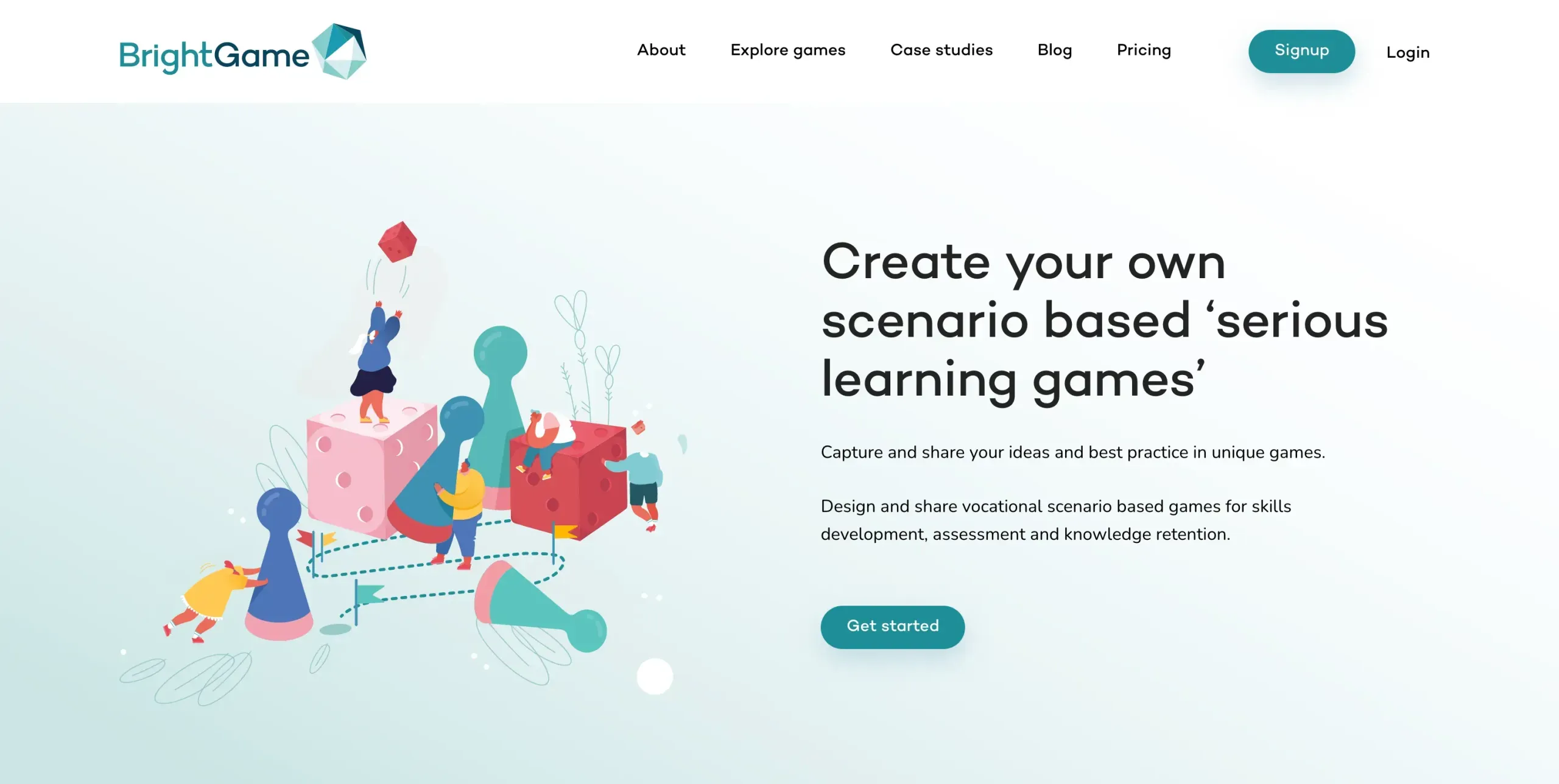
OpenKit built BrightGame for ADD Strategy, so a trainer with no game-design background can build a learning game around their own process. The software checks the game against ADD Strategy’s rules for what makes one play well and explains a rule while the author is still writing.
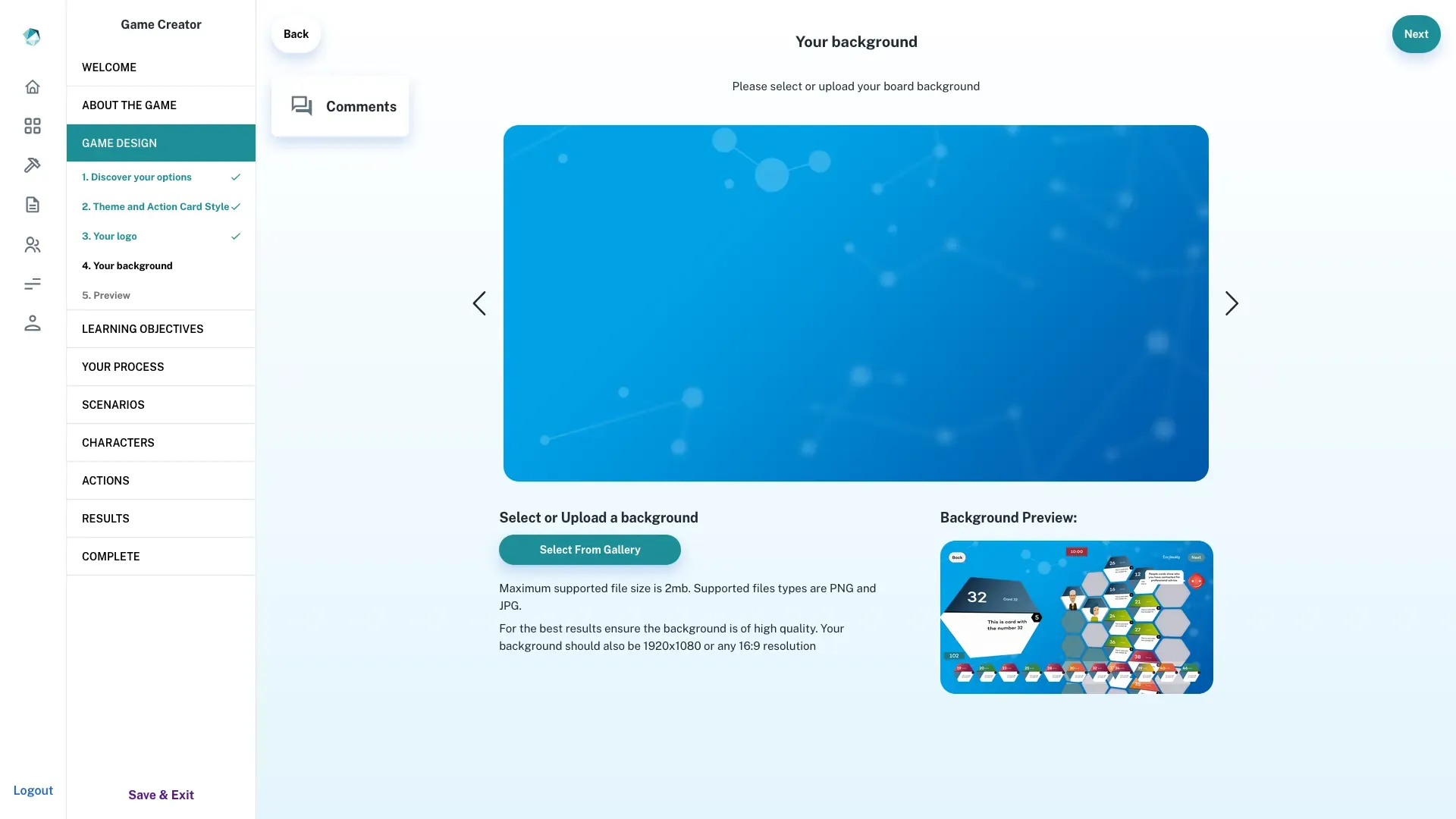
Overview
ADD Strategy design serious learning games around a real workplace process, where people learn by playing through the decisions. They have designed enough of them to know what makes one work and what makes one fall flat. A subject expert handed a blank game creator will write fourteen stages with four actions in each, because nothing in front of them says that is a bad idea.
OpenKit built BrightGame to put that judgement into the software. A trainer with no game-design background sets out their process as stages, then works through the actions, scenarios, characters, wildcards and clusters that make it playable. The creator holds them to ADD Strategy’s rules as they go, with a chatbot that explains a rule before they run into it.
£100K+
Pre-seed round ADD Strategy closed at the public launch
2023
The year ADD Strategy took BrightGame public
3
Rounds of work, each commissioned after ADD Strategy had seen what the last produced
Approach
The rules the creator enforces
OpenKit worked through ADD Strategy’s expertise with them threshold by threshold and built each one into the creator, which stops an author moving past a stage that will not play well.
- Stages per game, 5 to 7. Five plays best, and choosing seven brings a warning about the card-writing it commits the author to.
- Actions per stage, 8 to 12, tightening to 9 or 10 at seven stages so a longer game stays playable.
- Optional cards, a minimum of 20, 25 or 35 depending on stage count and a hard ceiling of 35.
- Characters, 5 to 20, each with one role, because a character holding two breaks the decisions the game asks players to make.
The coach
A chatbot that explains the rules
A rules engine on its own only ever says no, so the chatbot carries the same expertise into the moment the author is deciding.
- Guidance on each step that says what a good answer looks like before the author starts writing.
- Explanations on hover for each column of the action grid, separating what a player must do from what they should never do.
- Messages fired by a threshold or by trying to move on, so an author learns their game will play badly while it is still cheap to change.
What shipped
The product around the creator
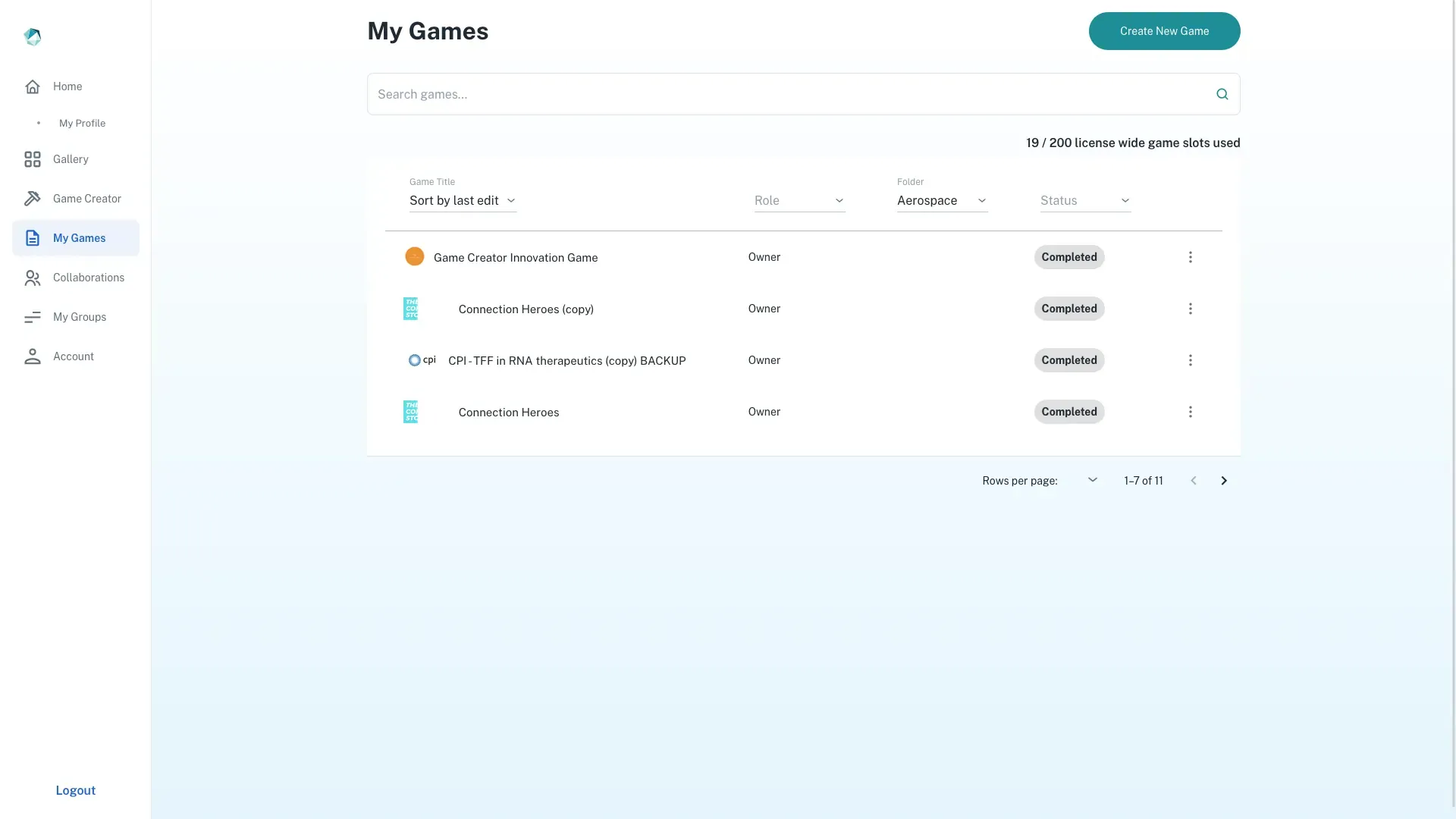
A library that keeps every version
BrightGame keeps every version of a game, so an author can change what learners struggled with and publish when they are ready.
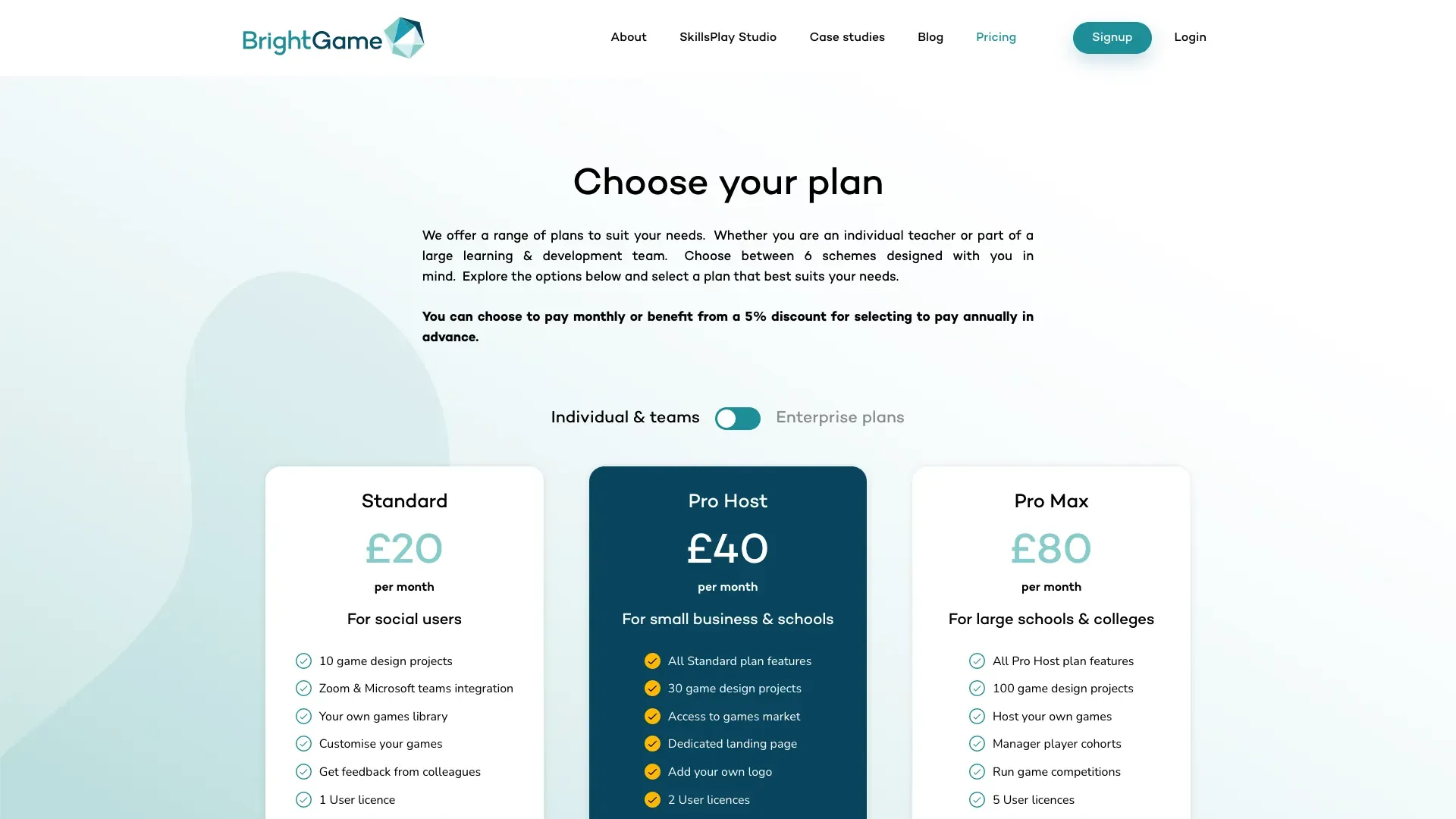
Billing inside the product
Tiered subscriptions, team plans and invoicing run on Stripe, so a new customer can choose a plan and start without speaking to the BrightGame team first.
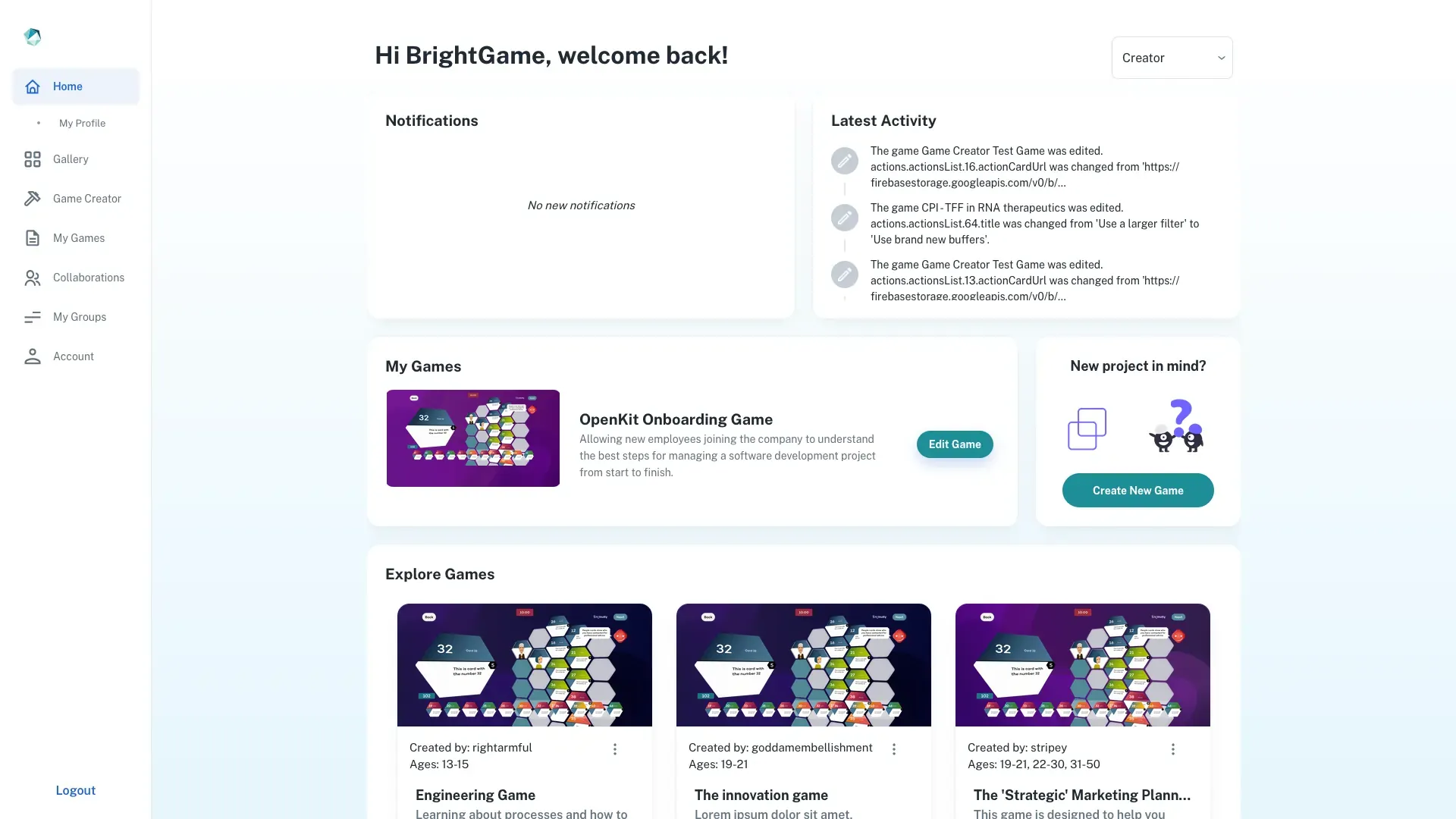
One screen for the operator
Notifications, the latest edit to every game and the games an account owns sit on one screen, so the operator sees what has changed without opening three tools.
Games that run inside the training site
The finished game drops into the WordPress site the training team already runs, so learners stay where they were.
Result
A platform ADD Strategy took public
ADD Strategy commissioned the build in three rounds, each after seeing what the last produced. They took BrightGame public in 2023 and closed a £100K+ pre-seed round as it went live. Authors with no game-design background use the creator to build their games. The platform runs to UK GDPR and keeps its data in the UK.
Other engagements
What could your business do with AI?
Find out with experts who become part of your team. We uncover opportunities, get ideas working, and help your people build on the results. We reply within one working day.
Get in touch AI Engineering